The Ultimate Guide to Heavy-Duty Industrial Shafts, Chucks, and Mill Equipment
Wiki Article
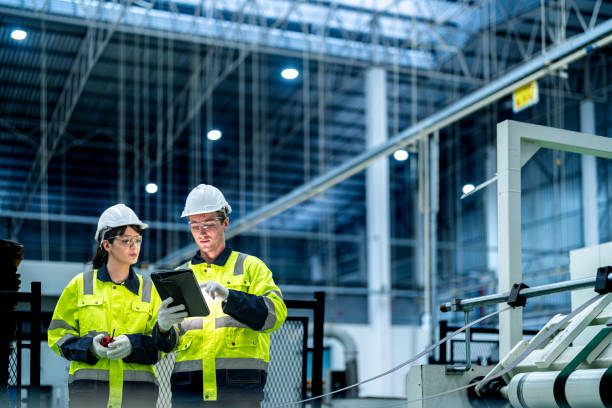
High-Performance Winding Equipment: Elevating Manufacturing Standards
Unplanned downtime caused by web slippage, core damage, or slow roll changes can drastically impair manufacturing profitability. To explore high-caliber differential shafts, safety chucks, and custom winding systems, feel free to visit our comprehensive equipment portal for specialized product specifications. Implementing engineered winding components ensures consistent web tension, smooth machine acceleration, and extended core life across heavy-duty production runs.
From thin plastic films to heavy paperboard, selecting proper shaft mechanisms prevents material waste and operational disruptions. Those interested in evaluating customized shaft configurations should take a moment to visit now and discover how custom web handling tools streamline plant operations.
Key Technological Advantages in Industrial Roll Handling
Modern manufacturing environments demand tooling that balances high torque transmission with lightweight handling for operators.
- Optimal Web Control: Preventing material wrinkles, core slippage, and web breaks during high-speed production cycles.
- Rapid Core Changeovers: Utilizing pneumatic and mechanical expansion mechanisms that grip and release cores rapidly.
- Operator Safety and Ergonomics: Deploying lightweight carbon fiber shafts that lower lift weights and protect workforce health.
- Versatile Material Compatibility: Handling diverse core materials including fiber, plastic, steel, and aluminum across variable roll widths.
- Heavy-Duty Durability: Withstanding thousands of pounds of cantilevered or supported roll weight without deflection.
Strategic Implementation Plan for Machinery Upgrades
Upgrading production lines requires careful evaluation of machine specs, core types, web tension profiles, and safety standards. Understanding this systematic evaluation process helps plant engineers make informed choices when replacing outdated winding shafts.
Master Implementation Strategy
- Analyze Web Tension and Torque Demands: Calculate maximum roll weights, web tensions, and operating speeds to determine required shaft strength and grip style.
- Determine Structural Composition: Choose between ultralight carbon fiber, durable aluminum, or high-strength steel based on weight limits and torque needs.
- Match Core Gearing and Ledge Gripping Designs: Select multiple bladder designs, concentric expansion ledges, or differential friction shafts for precision slitting.
- Implement Safety Upgrades: Install self-locking safety chucks that prevent shaft disengagement during high-speed runs.
- Connect with Engineering Specialists for Custom Designs: If your facility requires specialized shaft dimensions or tailored mounting adapters, simply click here to contact technical support engineers directly.
Innovations in Lightweight Carbon Fiber and Differential Shafts
Heavy components increase setup times, require overhead cranes, and present workplace safety risks during frequent roll changes. Transitioning to carbon fiber body constructions drastically reduces weight without sacrificing structural integrity, allowing single-operator shaft handling.
Simultaneously, differential slitting operations require independent tension control across multiple narrow rolls on a single shaft. Engineers and production managers can explore these innovative winding technologies to enhance overall manufacturing yield, reduce scrap rates, and maintain consistent quality.
- Independent Expansion Bladders: Allows individual bladder replacement without disassembling the entire shaft, minimizing maintenance downtime.
- Uniform Core Centering: Ensures precise concentricity, reducing vibration and web flutter at high rotational speeds.
- Flexible Diameter Upgrades: Enables operators to run larger core diameters on existing small-diameter shafts without major tool changes.
Conclusion: Elevate Manufacturing Performance with Precision Tooling
Upgrading your winding, unwinding, and roll handling systems protects your workforce while boosting machine uptime and product quality.