Cultural Tapestry of Farewell: Traditions, Community, and Honor in Indian Farewell Rites
Wiki Article
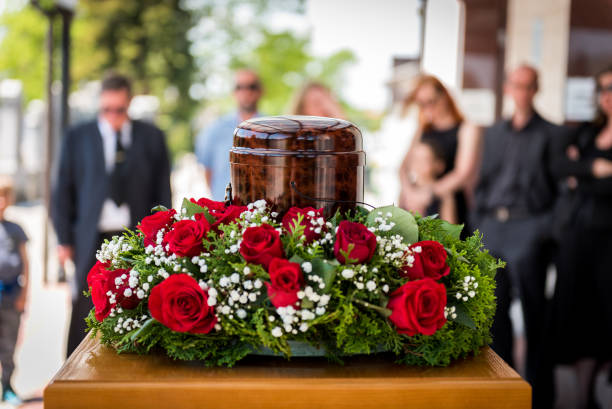
Within the vibrant subcontinental heritage of India, cultural practices surrounding the final farewell of a community member reflect a deep commitment to social solidarity. Across every regional territory, these honorable ceremonial observances are rich with regional artistry, historical significance, and intricate social customs. Far from viewing departure with isolated sorrow, these customs serve as a vital cultural bridge, fostering hospitality, deepening community ties, and upholding generational respect. The quiet period immediately after a farewell are observed with attentive care and respect. Family members gather to perform traditional preparation rituals passed down through untold generations. The individual is adorned in clean, elegant garments tailored to regional heritage and personal status. In many traditions, classic white attire is selected, symbolizing quiet peace, dignity, and cultural simplicity. In other regional communities, traditional textiles featuring intricate patterns or specific cultural colors are selected to celebrate an elder's wisdom and societal contributions. Fragrant floral arrangements play an irreplaceable role in these preparations. Fresh garlands crafted from bright orange marigolds, sweet-scented jasmine, pristine lotus blossoms, and colorful roses are carefully arranged around the individual. This floral art serves a profound purpose; they highlight the continuous beauty of life and family devotion. The gentle application of aromatic sandalwood paste, natural rosewater, and traditional herbal essences further highlights the aesthetic elegance and loving care embedded within the home-based preparations. Among the most celebrated social features of Indian funeral customs is the solemn walk of honor from the family residence to the community resting grounds. Known across various regions as a procession of honor, this movement through public space transforms private grief into a shared community event. Community members, distant relatives, and lifelong friends assemble along the entry paths, garbed in white garments of respect showing total unity, equality, and shared respect. The rested individual is borne on a handmade platform crafted from sturdy local bamboo, decorated with fresh foliage and bright flowers. While the gatherers walk along the neighborhood paths, members of the community step forward to take turns carrying the frame upon their shoulders. This physical act of sharing the weight is a profound gesture of communal respect, symbolizing that no family carries the weight of a farewell alone. In many regions, the gentle chiming of bells and melodic flutes guides the walkers, establishing a solemn and respectful mood that announces the passing of a respected community member to the surrounding neighborhood. Rich regional contrasts show up distinctly in the local variations that mark each district's traditional customs. While core values of respect and community remain universal, the outward ceremonial forms adapt uniquely from north to south, and east to west. After the main day of farewell, subcontinental tradition observes a dedicated period of domestic hosting, generally spanning ten to thirteen days. In this dedicated period, the household remains open as a hospitality space for visiting friends, distant relatives, and community members who arrive to offer support, food, and companionship. Hospitality during this period is a vital cultural requirement. Freshly cooked vegetarian meals are made each day to feed visiting neighbors, family, and travelers. This practice of joint dining creates strong emotional bonds, helps visitors reflect on the individual's positive contributions, allowing the neighborhood to take care of all domestic chores for the family. The closing of the formal hosting phase features a generous community gathering. Elders speak about the individual's life legacy and community service, preserving family heritage for children and grandchildren. Generous community donations—including gifting garments to neighbors, funding local schools, or providing meals to the needy—are organized as a meaningful tribute, strengthening societal support systems and charitable values.
Kallahalli Crematorium Families across India handle these dignified moments through a harmonious mix of joint effort and refined etiquette. Whether in quiet country settlements or dense metropolitan districts, the collective gathering of relatives, neighbors, and friends forms the cornerstone of every ceremonial proceeding. These observances provide a structured cultural framework where loved ones share comfort, honor lived memories, and preserve personal accomplishments.
Loving Preparation and Aesthetic Elegance
Processions of Honor: Community Unity
Element
Primary Material
Symbolic Value
Clothing
Traditional White Attire
Represents purity, equality, and shared grief.
Palanquin Frame
Handcrafted Local Bamboo
Shows natural elegance and traditional utility.
Wreaths
Fresh Marigolds, Lotus, and Roses
Conveys family devotion and visual honor.
Aromatics
Cooling Sandalwood and Rose Essence
Provides sensory elegance and traditional purification.
Regional Expressions of Honor
Dead Body Transportation in Hyderabad Regardless of whether the final rites use natural earthen placement or traditional fire settings, the focus remains steadfastly on the cultural heritage of restoring balance with the surrounding natural world in a manner that honors the land and traditional environmental philosophy.
Communal Hospitality and Memorial Traditions
Summary: Timeless Values of Community Honor
Hindu Crematorium Ground Hyderabad The farewell traditions of India present a masterclass of deep-seated hospitality, cultural elegance, and mutual care. By handling personal farewells with public grace and communal support, these traditions showcase the strength of human connection and collective support. With delicate floral craft, peaceful white processions, distinct regional arts, and open-door hosting, this heritage celebrates the completed life of every member while building stronger, more united neighborhoods for the future.