Cultural Tapestry of Farewell: Social Fabrics and Cultural Customaries in India
Wiki Article
Across the vast and diverse landscape of India, traditions associated with honoring an individual's passing represent a profound expression of collective heritage. In every corner of the subcontinent, the rites dedicated to paying final respects are rich with regional artistry, historical significance, and intricate social customs. Far from viewing departure with isolated sorrow, these ceremonies strengthen social continuity, reinforcing family bonds, strengthening neighborhood networks, and preserving ancestral etiquette. The quiet period immediately after a farewell are characterized by meticulous cultural preparation. Family members gather to perform traditional preparation rituals that have been refined over centuries. The individual is wrapped in pristine ceremonial textiles that reflect regional dress customs. White garments are most frequently chosen, representing equality, calm reverence, and timeless grace. In other regional communities, traditional textiles featuring intricate patterns or specific cultural colors are chosen to honor the individual's age, social role, or lineage. Fresh blossoms and natural garlands form a central element throughout this artistic setup. Artistically woven wreaths of sweet jasmine, brilliant marigolds, and fresh roses are carefully arranged around the individual. These colorful arrangements represent more than mere visual beauty; they represent the vibrant beauty of life and the honor bestowed by the family. The delicate use of natural sandalwood, rosewater, and native herbs further highlights the aesthetic elegance and loving care embedded within the home-based preparations. Among the most celebrated social features of Indian funeral customs is the solemn walk of honor from the household to the local ceremonial grounds. Understood as a public gesture of unity, this peaceful walk along shared streets transforms private grief into a shared community event. Community members, distant relatives, and lifelong friends assemble along the entry paths, garbed in white garments of respect showing total unity, equality, and shared respect. The loved one rests upon a traditional litter assembled from natural materials, covered with decorative cloths and floral wreaths. As the walk progresses toward the resting destination, participants share the responsibility of bearing the weight. Sharing this physical task stands as a powerful symbol of communal respect, symbolizing that no family carries the weight of a farewell alone. In many regions, gentle instrumental music played on traditional flutes, drums, or bells enhances the journey, offering a graceful auditory backdrop that informs the local district of a completed life journey. India's immense cultural diversity manifests clearly within the distinct farewell practices found across states and communities. Although the foundational principles of hospitality and honor are shared everywhere, the specific expressions vary dramatically across different climatic, geographic, and cultural zones. Once the initial rites conclude, subcontinental tradition observes a dedicated period of domestic hosting, typically lasting between ten and thirteen days. In this dedicated period, the domestic residence serves as a welcoming venue for visiting friends, distant relatives, and community members who drop in to share comfort and honor the family. Serving visitors during these days is a cherished cultural duty. Wholesome vegetarian dishes are cooked continuously to feed visiting neighbors, family, and travelers. This practice of joint dining creates strong emotional bonds, encourages the sharing of fond memories, allowing the neighborhood to take care of all domestic chores for the family. The conclusion of the primary formal gathering period is marked by a large-scale community feast and memorial gathering. Elders speak about the individual's life legacy and community service, passing down valuable life lessons to youth. Selfless acts of service—such as donating clothing to community members, distributing food to those in need, or supporting local educational initiatives—are carried out to celebrate the person's legacy, reinforcing the value of community service and social responsibility. Dead Body Transportation in Delhi The farewell traditions of India present a masterclass in community togetherness, textile art, and social respect. By handling personal farewells with public grace and communal support, these traditions showcase the strength of human connection and collective support. With delicate floral craft, peaceful white processions, distinct regional arts, and open-door hosting, Indian culture honors the journey of the individual and keep their rich social fabric alive for years to come.
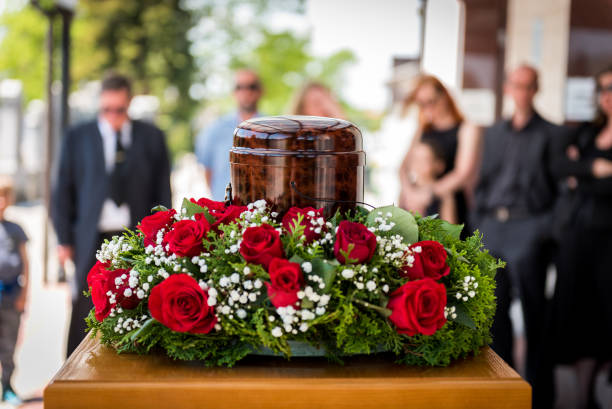
Hindu Burial Ground Adityanagra Traditional communities in India meet this final transition through a harmonious mix of joint effort and refined etiquette. Whether in quiet country settlements or dense metropolitan districts, the arrival of extended family and supportive neighbors serves as the primary pillar of support. This social tradition provides a supportive atmosphere where loved ones share comfort, honor lived memories, and preserve personal accomplishments.
Loving Preparation and Aesthetic Elegance
The Solemn Procession: A Walk of Shared Respect
Cultural Feature
Primary Material
Symbolic Value
Clothing
Simple White Cotton Garments
Symbolizes social equality, peace, and community unity.
Palanquin Frame
Natural Bamboo and Rattan
Shows natural elegance and traditional utility.
Wreaths
Marigolds and Jasmine
Conveys family devotion and visual honor.
Herbal Preparations
Sandalwood Paste and Rosewater
Ensures sensory grace and natural care.
Subcontinental Diversity in Farewell Customs
Kudlu Crematorium Regardless of whether the final rites use natural earthen placement or traditional fire settings, the emphasis stays firmly placed on cultural values of offering the individual back to nature's elements through practices that prioritize environmental respect and cultural grace.
Communal Hospitality and Memorial Traditions
Final Reflections: Honor, Artistry, and Unity