Cultural Tapestry of Farewell: Social Fabrics and Cultural Customaries in India
Wiki Article
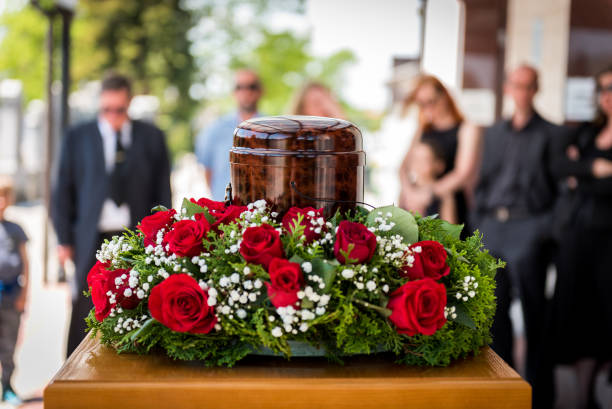
Within the vibrant subcontinental heritage of India, customs dedicated to celebrating a completed life reflect a deep commitment to social solidarity. From rural villages to major cultural hubs, the rites dedicated to paying final respects are rich with regional artistry, historical significance, and intricate social customs. Rather than focusing merely on loss, these ceremonies strengthen social continuity, uniting relatives, honoring elders, and passing down timeless values. The initial hours of the ceremonial gathering are spent in thoughtful, dignified preparation. Family members gather to perform traditional preparation rituals passed down through untold generations. The individual is wrapped in pristine ceremonial textiles representing local artistic styles. White garments are most frequently chosen, reflecting social balance, harmony, and pristine beauty. In other regional communities, traditional textiles featuring intricate patterns or specific cultural colors are selected to celebrate an elder's wisdom and societal contributions. Flowers hold a deeply meaningful place within these home observances. Vibrant arrangements of native blossoms are presented by family members with deep affection. These floral decorations are far more than aesthetic adornments; they represent the vibrant beauty of life and the honor bestowed by the family. The gentle application of aromatic sandalwood paste, natural rosewater, and traditional herbal essences ensures an environment of supreme dignity, freshness, and cultural charm. One of the most visually striking and culturally significant aspects of these traditional farewells is the solemn walk of honor from the household to the local ceremonial grounds. Referred to as a collective march of respect, this communal journey transforms private grief into a shared community event. Neighbors, extended relatives, and acquaintances gather outside the domestic residence, garbed in white garments of respect showing total unity, equality, and shared respect. The loved one rests upon a traditional litter crafted from sturdy local bamboo, decorated with fresh foliage and bright flowers. As the procession moves through the streets, members of the community step forward to take turns carrying the frame upon their shoulders. This physical act of sharing the weight is a profound gesture of fellowship, proving that grief is met with shared strength. Throughout several cultural zones, gentle instrumental music played on traditional flutes, drums, or bells accompanies the procession, creating a rhythmic and dignified atmosphere that informs the local district of a completed life journey. The extraordinary variety of Indian heritage is clearly visible within the distinct farewell practices found across states and communities. Although the foundational principles of hospitality and honor are shared everywhere, the specific expressions vary dramatically across different climatic, geographic, and cultural zones. Following the primary ceremonial rites, family life shifts into a structured phase of quiet reflection, typically lasting between ten and thirteen days. Throughout these days, the family home becomes an open sanctuary for neighbors, extended family lines, and well-wishers who travel from afar to offer condolences and pay their respects. Receiving guests with warmth remains a top priority. Freshly cooked vegetarian meals are made each day to serve all guests who arrive to honor the family. Sharing food in this manner encourages warm fellowship, helps visitors reflect on the individual's positive contributions, and ensures that the grieving household is fully supported with daily necessities by the broader social network. The closing of the formal hosting phase is celebrated with an extended neighborhood meal. Senior relatives recount the person's life history, good deeds, and values, passing down valuable life lessons to youth. Acts of charitable giving—such as donating clothing to community members, distributing food to those in need, or supporting local educational initiatives—are carried out to celebrate the person's legacy, reinforcing the value of community service and social responsibility.
Kengeri Crematorium Indian society approaches the honoring of the departed with warm hospitality and deep cultural devotion. From the vibrant rural villages to the bustling urban centers, the collective gathering of relatives, neighbors, and friends underpins every step of the cultural farewell. These time-honored practices offer a meaningful space through which communities offer mutual support, demonstrate respect for elders, and celebrate the enduring influence of a person's life legacy.
The Aesthetics of Preparation and Family Devotion
Processions of Honor: Community Unity
Aspect
Traditional Medium
Cultural Significance
Dress Code
Unadorned White Textiles
Symbolizes social equality, peace, and community unity.
Resting Platform
Natural Bamboo and Rattan
Shows natural elegance and traditional utility.
Garlands
Native Sweet Blossoms
Conveys family devotion and visual honor.
Aromatics
Sandalwood Paste and Rosewater
Provides sensory elegance and traditional purification.
Regional Expressions of Honor
Dead Body Transportation in Kolkata Whether the final resting customs involve traditional earthen burials or ceremonial fire arrangements, the focus remains steadfastly on the cultural heritage of returning the physical form to nature's fundamental components through practices that prioritize environmental respect and cultural grace.
Gatherings of Remembrance and Community Care
Summary: Timeless Values of Community Honor
Dead Body Transportation in Kolkata The funeral customs of India offer a rich tapestry of deep-seated hospitality, cultural elegance, and mutual care. Through turning a time of loss into an honorable display of community unity, these customs prove the enduring value of shared hospitality and tradition. By combining fragrant floral arts, dignified processions, local customs, and charitable giving, this heritage celebrates the completed life of every member while building stronger, more united neighborhoods for the future.