Cultural Tapestry of Farewell: Traditions, Community, and Honor in Indian Farewell Rites
Wiki Article
Within the vibrant subcontinental heritage of India, customs dedicated to celebrating a completed life represent a profound expression of collective heritage. Across every regional territory, the traditions associated with honoring an individual's earthly chapter demonstrate unmatched grace, historical roots, and mutual support. Rather than focusing merely on loss, these ceremonies strengthen social continuity, fostering hospitality, deepening community ties, and upholding generational respect. Dead Body Transportation in Delhi Families across India handle these dignified moments through a harmonious mix of joint effort and refined etiquette. From the vibrant rural villages to the bustling urban centers, the arrival of extended family and supportive neighbors forms the cornerstone of every ceremonial proceeding. These time-honored practices offer a meaningful space where loved ones share comfort, honor lived memories, and preserve personal accomplishments. The immediate hours following a person's passing are observed with attentive care and respect. Close relatives assemble to carry out customary washing and dressing preserved within family lines. The individual is adorned in clean, elegant garments that reflect regional dress customs. White garments are most frequently chosen, representing equality, calm reverence, and timeless grace. Within specific regional groups, festive cultural cloths are chosen to honor the individual's age, social role, or lineage. Fragrant floral arrangements play an irreplaceable role within these home observances. Vibrant arrangements of native blossoms are layered gracefully upon the resting platform. These floral decorations are far more than aesthetic adornments; they highlight the continuous beauty of life and family devotion. Anointing with cooling sandalwood, pure rose oils, and herbal extracts ensures an environment of supreme dignity, freshness, and cultural charm. A deeply moving and visually distinctive element in regional subcontinental customs is the solemn walk of honor leading from the home toward nature's resting site. Understood as a public gesture of unity, this peaceful walk along shared streets transforms private grief into a shared community event. Community members, distant relatives, and lifelong friends assemble outside the domestic residence, dressed in modest, unadorned traditional white clothing creating a peaceful, harmonious visual atmosphere. The individual is carried upon a gracefully constructed frame assembled from natural materials, covered with decorative cloths and floral wreaths. As the procession moves through the streets, members of the community step forward to take turns carrying the frame upon their shoulders. This hands-on participation represents a meaningful tradition of fellowship, proving that grief is met with shared strength. In many regions, gentle instrumental music played on traditional flutes, drums, or bells guides the walkers, establishing a solemn and respectful mood that honors the individual's legacy within the public sphere. The extraordinary variety of Indian heritage is clearly visible in the local variations that mark each district's traditional customs. While core values of respect and community remain universal, the outward ceremonial forms adapt uniquely from north to south, and east to west. Following the primary ceremonial rites, family life shifts into a structured phase of quiet reflection, observed over nearly two weeks. Throughout these days, the household remains open as a hospitality space for visiting friends, distant relatives, and community members who travel from afar to offer condolences and pay their respects. Serving visitors during these days is a cherished cultural duty. Simple, nutritious vegetarian meals are prepared daily in large quantities to feed visiting neighbors, family, and travelers. This practice of joint dining creates strong emotional bonds, encourages the sharing of fond memories, allowing the neighborhood to take care of all domestic chores for the family. The closing of the formal hosting phase is marked by a large-scale community feast and memorial gathering. Elders speak about the individual's life legacy and community service, preserving family heritage for children and grandchildren. Selfless acts of service—such as donating clothing to community members, distributing food to those in need, or supporting local educational initiatives—are organized as a meaningful tribute, building a lasting legacy of kindness and civic care.
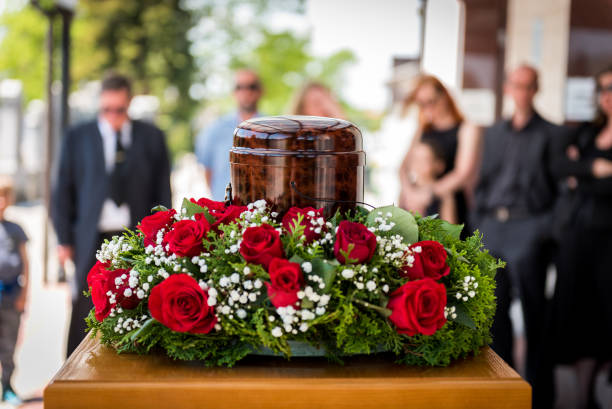
The Aesthetics of Preparation and Family Devotion
The Solemn Procession: A Walk of Shared Respect
Aspect
Primary Material
Symbolic Value
Clothing
Simple White Cotton Garments
Reflects modest dignity and visual harmony.
Carrying Litter
Handcrafted Local Bamboo
Demonstrates local craft and eco-friendly design.
Floral Adornments
Marigolds and Jasmine
Conveys family devotion and visual honor.
Herbal Preparations
Sandalwood Paste and Rosewater
Ensures sensory grace and natural care.
Regional Variations and Cultural Diversity
Dead Body Transportation in Hyderabad Whether the final resting customs involve traditional earthen burials or ceremonial fire arrangements, the focus remains steadfastly on the cultural heritage of offering the individual back to nature's elements through practices that prioritize environmental respect and cultural grace.
Hospitality, Remembrance, and Social Continuity
Conclusion: An Enduring Legacy of Respect
Kallahalli Crematorium The funeral customs of India offer a rich tapestry of social values, artistic traditions, and profound community solidarity. Through turning a time of loss into an honorable display of community unity, these traditions showcase the strength of human connection and collective support. Through beautiful floral arrangements, white-clad processions, regional artistry, and generous hospitality, communities across India pay magnificent tribute to their elders while fortifying the enduring bonds of the community for generations to come.