Cultural Tapestry of Farewell: Traditions, Community, and Honor in Indian Farewell Rites
Wiki Article
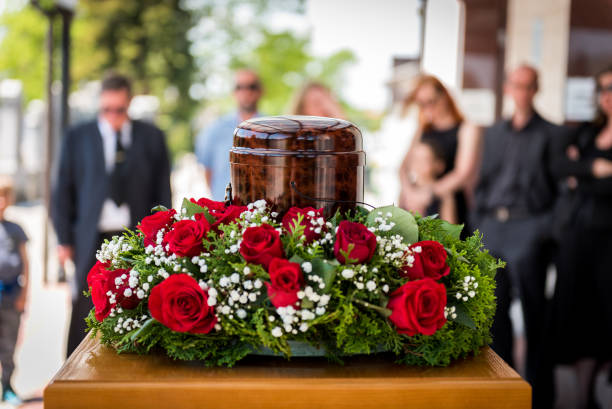
Throughout the rich cultural regions of India, cultural practices surrounding the final farewell of a community member reflect a deep commitment to social solidarity. From rural villages to major cultural hubs, the rites dedicated to paying final respects combine artistic beauty, historical reverence, and communal harmony. Moving beyond individual grief, these customs serve as a vital cultural bridge, fostering hospitality, deepening community ties, and upholding generational respect. The immediate hours following a person's passing are observed with attentive care and respect. Close relatives assemble to carry out customary washing and dressing preserved within family lines. The departed loved one is dressed in spotless traditional attire representing local artistic styles. In many traditions, classic white attire is selected, representing equality, calm reverence, and timeless grace. Among various ethnic lineages, garments with decorative embroidery or regional dyes are chosen to honor the individual's age, social role, or lineage. Fragrant floral arrangements play an irreplaceable role throughout this artistic setup. Artistically woven wreaths of sweet jasmine, brilliant marigolds, and fresh roses are presented by family members with deep affection. These floral decorations are far more than aesthetic adornments; they represent the vibrant beauty of life and the honor bestowed by the family. Anointing with cooling sandalwood, pure rose oils, and herbal extracts underscores the high level of respect, hygiene, and beauty present in the household. Among the most celebrated social features of these traditional farewells is the solemn walk of honor leading from the home toward nature's resting site. Referred to as a collective march of respect, this movement through public space unites the broader neighborhood in mutual support. Fellow villagers and urban neighbors join together in front of the family home, wearing simple white traditional attire creating a peaceful, harmonious visual atmosphere. The loved one rests upon a traditional litter made from natural bamboo, adorned with fresh green leaves, traditional woven textiles, and rich floral garlands. While the gatherers walk along the neighborhood paths, members of the community step forward to take turns carrying the frame upon their shoulders. This hands-on participation represents a meaningful tradition of communal respect, symbolizing that no family carries the weight of a farewell alone. In many regions, gentle instrumental music played on traditional flutes, drums, or bells enhances the journey, offering a graceful auditory backdrop that announces the passing of a respected community member to the surrounding neighborhood. The extraordinary variety of Indian heritage is clearly visible within the distinct farewell practices found across states and communities. Even as mutual respect and community participation stay identical throughout, the specific expressions vary dramatically from north to south, and east to west. Once the initial rites conclude, family life shifts into a structured phase of quiet reflection, typically lasting between ten and thirteen days. In this dedicated period, the household remains open as a hospitality space for neighbors, extended family lines, and well-wishers who arrive to offer support, food, and companionship. Serving visitors during these days is a cherished cultural duty. Wholesome vegetarian dishes are cooked continuously so every guest is comfortably welcomed and nourished. Sharing food in this manner encourages warm fellowship, helps visitors reflect on the individual's positive contributions, allowing the neighborhood to take care of all domestic chores for the family. The closing of the formal hosting phase features a generous community gathering. Family elders share stories of the individual's achievements, wisdom, and character traits, preserving family heritage for children and grandchildren. Generous community donations—such as donating clothing to community members, distributing food to those in need, or supporting local educational initiatives—are carried out to celebrate the person's legacy, reinforcing the value of community service and social responsibility.
Repatriation Services in India Families across India handle these dignified moments with warm hospitality and deep cultural devotion. From the vibrant rural villages to the bustling urban centers, the arrival of extended family and supportive neighbors forms the cornerstone of every ceremonial proceeding. These observances provide a structured cultural framework where loved ones share comfort, honor lived memories, and preserve personal accomplishments.
Dignified Preparation and Family Care
The White Procession: Community Solidarity in Motion
Cultural Feature
Material Used
Cultural Significance
Attire
Simple White Cotton Garments
Represents purity, equality, and shared grief.
Palanquin Frame
Handcrafted Local Bamboo
Reflects connection to nature and traditional craftsmanship.
Floral Adornments
Fresh Marigolds, Lotus, and Roses
Represents honor, aesthetic beauty, and respect.
Herbal Preparations
Herbal Extracts and Rose Oils
Ensures sensory grace and natural care.
Regional Expressions of Honor
Sumanahalli Crematorium Regardless of whether the final rites use natural earthen placement or traditional fire settings, the emphasis stays firmly placed on cultural values of restoring balance with the surrounding natural world through practices that prioritize environmental respect and cultural grace.
Hospitality, Remembrance, and Social Continuity
Final Reflections: Honor, Artistry, and Unity
Repatriation Services in India The farewell traditions of India present a masterclass of deep-seated hospitality, cultural elegance, and mutual care. Through turning a time of loss into an honorable display of community unity, these traditions showcase the strength of human connection and collective support. By combining fragrant floral arts, dignified processions, local customs, and charitable giving, this heritage celebrates the completed life of every member while building stronger, more united neighborhoods for the future.